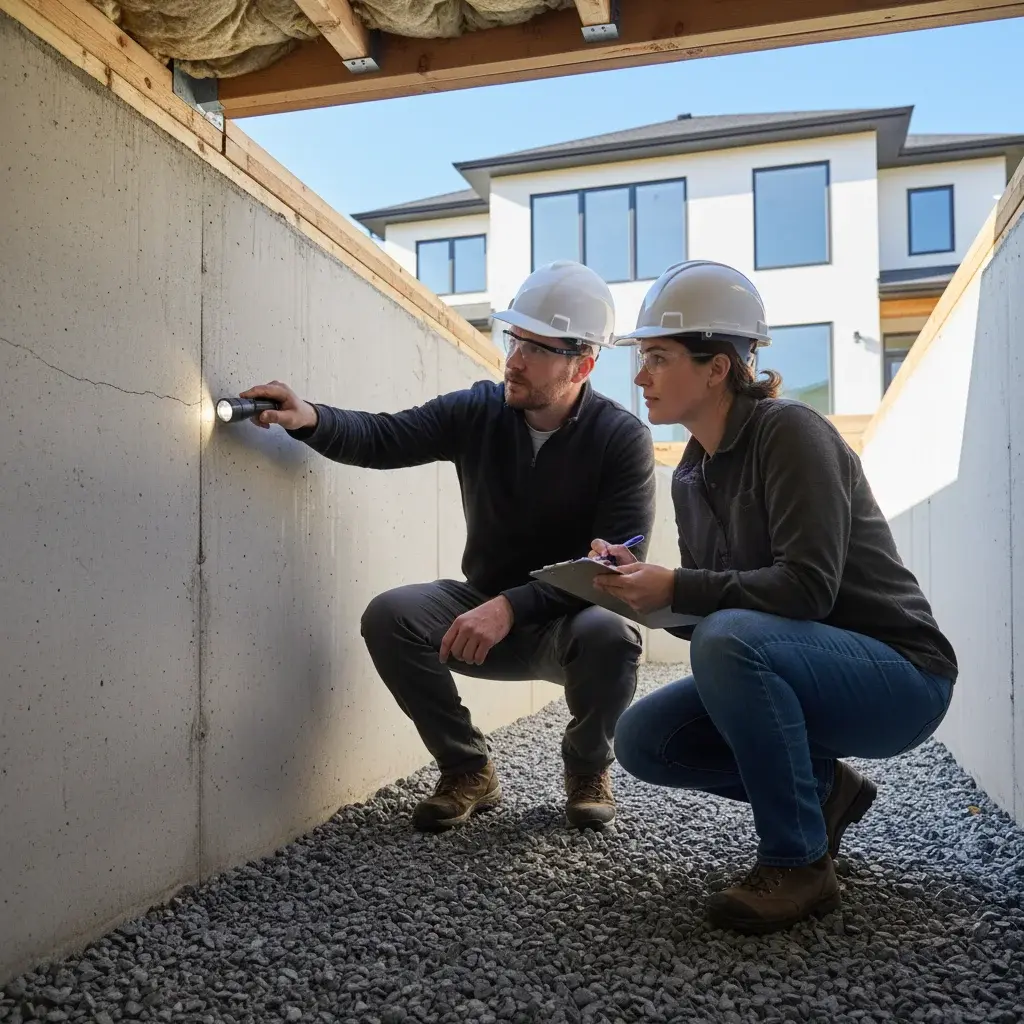
Yes, foundation repair affects home value, but probably not the way you fear. A foundation repaired and documented appraises like any comparable home in your San Diego neighborhood. The damage is the problem, not the fix. Unrepaired foundation issues drag value down 10 to 25 percent. Once the work is done and you have the paperwork, the discount mostly disappears.
So the real question isn’t whether to repair. It’s whether you repair before you sell or hand the buyer a reason to walk.
The repaired home is the normal home
Here’s the part most homeowners get backwards. Repairing your foundation doesn’t make your house worth more than the house next door. It brings it back to par.
From an appraiser’s seat, a foundation that was settling and then got piered, leveled, and documented is structurally sound. It appraises against the same comps as a home that never moved. You’re not penalized for the history. That’s the win. You stop bleeding the 10 to 25 percent value gap that an open problem creates.
A few sellers see a real bump. If you fix the foundation in a hot pocket like North Park, La Mesa, or coastal Encinitas, a clean structural report can push your home past competing listings that still have cracks. But treat that as upside, not the plan. The plan is to remove the discount.
What unrepaired foundation problems cost you
The drop depends on severity. Buyers and their lenders price in worst-case repair, not your optimistic estimate.
| Severity | Typical value impact | What it looks like |
|---|---|---|
| Hairline cracks, cleared by a structural engineer | 5 to 10 percent | Cosmetic cracking, no active movement |
| Moderate settlement needing piers | 15 to 25 percent | Sloped floors, sticking doors, stair-step cracks |
| Severe failure or hillside movement | 25 to 40 percent, or investors only | Major separation, active soil creep, slab failure |
These ranges hold across the market. In San Diego they skew worse, because our expansive clay soil and hillside lots make buyers nervous about recurrence. A buyer who reads “foundation settlement” on a hillside La Jolla or Rancho Peñasquitos lot assumes the problem will come back. Documentation is how you fight that assumption.
In San Diego, the soil makes buyers nervous
Most of the county sits on expansive clay. It swells when our winter rains arrive and shrinks through the dry summer. That seasonal heave and settlement is the number one driver of foundation movement here, and savvy local buyers know it.
Add the rest of the San Diego picture. Hillside lots in Mount Helix and Del Cerro creep downslope. Slab leaks under older slab-on-grade homes in Clairemont and Chula Vista undermine the concrete. Poor drainage saturates soil against the footing. A buyer touring your home isn’t just asking “is it fixed.” They’re asking “will it move again.”
That’s why a generic “we repaired it” line doesn’t reassure a San Diego buyer. They want to see what was done, who did it, and what’s keeping it stable. If your repair addressed the soil and drainage, not just the symptom, say so in the documentation. Our guide to expansive clay soils in San Diego walks through why this soil behaves the way it does.
You have to disclose it either way
This is the part that catches sellers off guard. In California, you can’t quietly skip the foundation history.
Under California Civil Code section 1102, the Transfer Disclosure Statement requires you to disclose known foundation defects. Foundation issues fall under the structural defects item. The obligation applies whether the damage is repaired or not. A foundation you fixed five years ago still gets disclosed.
Hiding it isn’t an option worth the risk. If you sign a disclosure saying no known defects and a buyer later finds a crack you knew about, you face personal liability for concealment, with remedies that can include rescission, damages, and attorney fees. So the choice is never “disclose or don’t.” It’s “disclose an open problem” or “disclose a repaired and documented one.” The second sells. The first sits.
Financing is where unrepaired homes die
Even a buyer who loves your house may not be able to buy it. Lenders inspect.
FHA and VA loans generally require structural repairs before they’ll fund. An unrepaired foundation can knock out every buyer using government-backed financing, which is a large slice of the San Diego market. Conventional appraisals flag it too. You’re often left with cash buyers and investors, and they price for the discount plus their own margin.
Repairing first keeps your buyer pool wide. That alone is usually worth more than the repair costs.
Documentation is the asset, not just the repair
The repair restores the structure. The paperwork restores the value. Without documentation, a buyer treats “we fixed it” as a claim. With it, the appraiser treats your home as sound.
Ask any contractor for these before you pay the final invoice:
- An itemized scope of what was done, with pier locations or repair areas marked
- Before-and-after elevation or level readings, if leveling was part of the job
- Any engineering report tied to the work
- A written warranty, and confirmation that it transfers to the next owner
- Permit records, if the work required a San Diego County or city permit
A transferable warranty matters most. A buyer who knows the fix is backed long-term stops negotiating the price down for risk. When you interview contractors, ask whether their warranty transfers and what it covers. That answer tells you a lot. For the full pre-listing walkthrough, use our foundation inspection checklist, and if you’re weighing the spend, our foundation repair cost guide for San Diego lays out the ranges.
Should you repair before listing or sell as-is?
Two honest paths, depending on your situation.
Repair first if you have time and the home is otherwise market-ready. You keep the full buyer pool, you keep financing options open, and you trade a known repair cost for a much larger value recovery. This is the right call for most sellers.
Sell as-is if you’re in a hurry, low on cash, or the home needs so much work that foundation repair won’t change the buyer profile anyway. You’ll take the discount and likely sell to an investor, but you skip the repair timeline. Just disclose fully and price for it.
For most San Diego homeowners with a single settled corner or moderate movement, repairing first nets more. The repair is a known number. The unrepaired discount is the buyer’s worst-case guess, and it’s almost always bigger.
Frequently asked questions
Does foundation repair increase home value above normal? Usually no. It restores value to par with comparable homes. The gain is removing the 10 to 25 percent discount an open problem creates. In competitive San Diego pockets a clean structural report can edge you past listings that still have issues, but treat that as upside.
How much value does an unrepaired foundation problem cost? Roughly 5 to 10 percent for minor cracking cleared by an engineer, 15 to 25 percent for moderate settlement needing piers, and 25 to 40 percent or investors-only for severe or hillside failure. San Diego buyers price recurrence risk on expansive clay, so the impact often lands at the higher end.
Do I have to tell buyers about a foundation repair? Yes. California’s Transfer Disclosure Statement requires disclosing known foundation defects, repaired or not. Skipping it exposes you to concealment liability. The documented repair is what turns a scary disclosure into a non-issue.
Will foundation problems block a buyer’s loan? Often, yes. FHA and VA loans generally require structural repairs before funding, and conventional appraisers flag active issues. Repairing first keeps government-backed buyers in your pool instead of leaving only cash buyers.
Should I get an engineer’s report before I sell? If there’s any history of movement, it helps. An independent structural report gives buyers confidence and supports the appraisal. Pair it with the contractor’s scope and warranty for the strongest paperwork.
How long does foundation repair take before I can list? Most targeted repairs run a few days to a couple of weeks depending on permits and scope. Plan for the documentation and any final inspection before you photograph and list.
Get a clear picture before you list
If you’re thinking about selling, the smartest first move is knowing exactly what you’re dealing with. Base Pro San Diego offers a free inspection and a straight, upfront quote, with no pressure. You’ll know the real scope, the real cost, and what documentation a buyer will want.
We cover all of San Diego County and we know how local soil, drainage, and hillside conditions affect both the repair and the resale. Browse our foundation repair service to see how we approach it.
Call (858) 925-5546 to schedule your free inspection. Find out whether repairing first is your best move before you put up the sign.