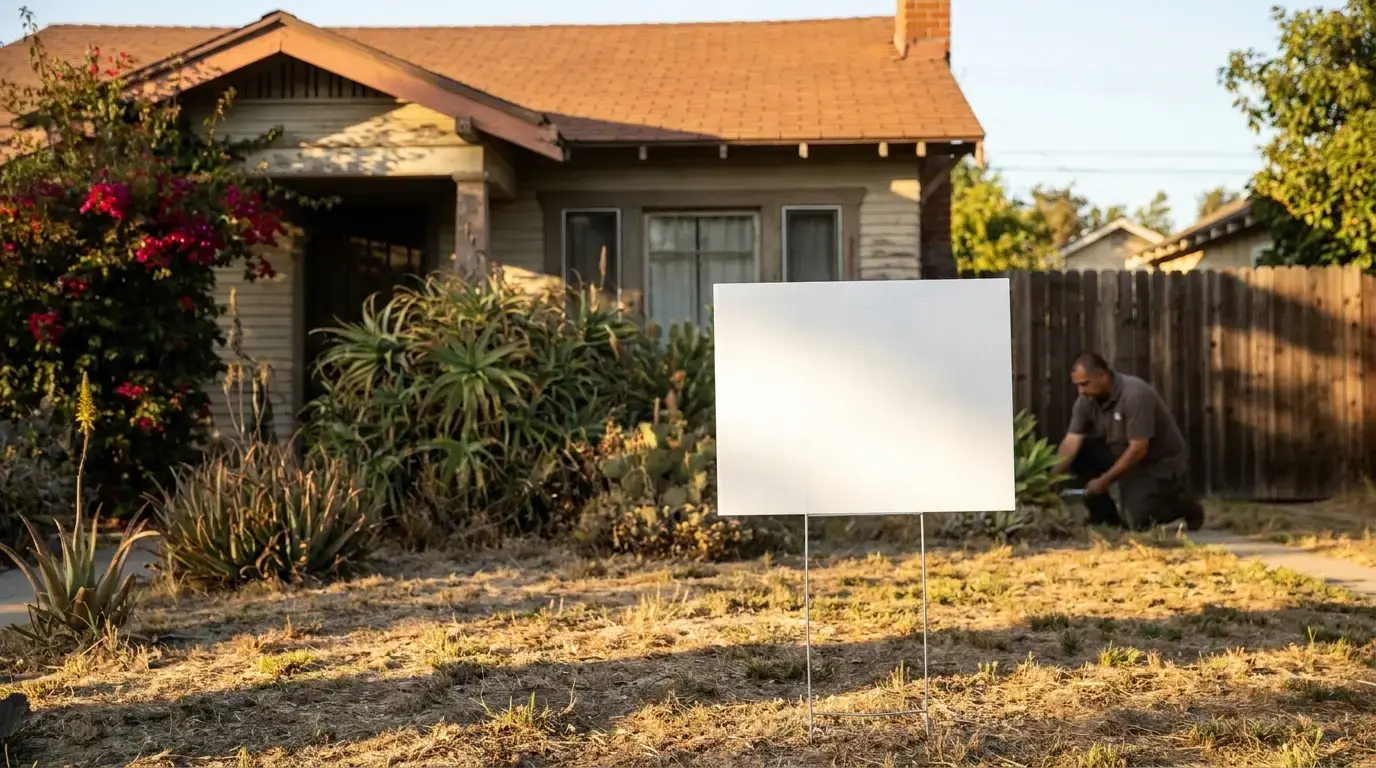
Selling a house with foundation problems in San Diego is doable. You have three real options: repair it before you list, sell as-is at a discount, or price the repair into the deal. Each path has genuine trade-offs, and the right one depends on your timeline, budget, and how serious the damage is. Hiding known foundation problems is not a fourth option, California law makes that clear, and the legal exposure isn’t worth it.
Here’s what you need to know to make a smart decision.
What California disclosure law actually requires
California sellers are required to complete a Transfer Disclosure Statement (TDS). If you know about foundation issues, that form asks about them directly. Settling, cracking, shifting, any of it that you’re aware of needs to go on the TDS.
This isn’t a technicality. Failing to disclose known material defects creates real legal liability. Buyers who discover problems after closing can pursue you for the cost of repairs, and courts here tend to side with buyers when there’s evidence the seller knew. Disclosure rules depend on your specific situation, so confirm the details with your real estate agent or attorney before you list.
The upside: disclose it early, handle it honestly, and you protect yourself while giving buyers the information they need to move forward.
The three paths
Every seller with foundation issues is choosing between some version of these three approaches.
| Option | Upfront cost | Likely sale price | Buyer pool | Best for |
|---|---|---|---|---|
| Repair before listing | $5,000–$30,000+ | Market value or close | Widest pool, all loan types | Good equity, time to prepare |
| Sell as-is | $0 | Discounted 10–25%+ | Investors, cash buyers | Fast sale, limited budget |
| Price it in / offer credit | $0 upfront | Moderate discount | Qualified buyers willing to manage repair | Somewhere in between |
Rough numbers only, actual repair costs vary with the type of damage. See our foundation repair cost guide for San Diego in 2026 for a more detailed breakdown.
Option 1: Repair before you list
You hire a licensed foundation contractor, fix the problem, get an engineer’s letter confirming the repair, and list the home with documentation in hand. This is often the highest-net-proceeds path when you have the time and available funds.
Why it works: A repaired foundation with a transferable warranty removes the issue from the buyer’s concern list. Many lenders won’t fund homes with active structural problems, so a pre-repair sell expands your buyer pool to include FHA, VA, and conventional loan buyers. Buyers also pay closer to market value when the risk is gone.
The transferable warranty matters. A reputable contractor will offer a warranty that transfers to the new owner. That piece of paper can be a legitimate selling point. Buyers and their agents take it seriously. It signals that the work was done properly and that someone stands behind it.
The math: If your home is worth $750,000 in good condition and foundation work costs $18,000, you might net $730,000 or more after repair. Selling as-is with a known problem might bring $620,000 to $675,000. That gap often justifies the repair investment. Not always, run the numbers for your specific situation.
A foundation inspection before you commit to any repair plan tells you what you’re actually dealing with. Don’t guess at scope.
Option 2: Sell as-is
You disclose the foundation issues on the TDS, price the home accordingly, and let the buyer take it from there. You don’t spend money on repairs. You do accept a lower sale price.
Who buys as-is: Mostly investors and cash buyers. They’re experienced with distressed properties and they move fast. You won’t have to manage a repair project or wait on permits. You close, often in two to three weeks.
The discount is real. Buyers and investors factor in not just the repair cost but also the risk of unknown additional damage, financing complications, and the hassle of project management. Expect offers 10 to 25 percent below what the home would fetch repaired. On a $750,000 home that could be $75,000 to $187,000 off the top.
For some sellers, speed and simplicity are worth that trade. If you’re relocating quickly, need liquidity, or don’t want to manage a repair project from a distance, this path makes sense.
Watch the financing problem. Even buyers who intend to finance with a conventional loan may lose their lender if the appraiser flags active structural issues. As-is sales tend to work cleanest with cash offers.
Option 3: Price it in or offer a repair credit
You disclose the issue, get a repair quote from a licensed contractor, and either reduce your asking price by that amount or offer the buyer a credit at closing to cover the work. The buyer gets to manage their own repair after they take ownership.
This is a middle-ground approach, and it can work well in a competitive market. You don’t spend money upfront. You don’t take quite as steep a discount as a straight as-is sale.
The limitation: Buyers using FHA or VA loans often can’t close on a home with active structural issues regardless of a credit. Their lenders won’t allow it until repairs are complete. That narrows your pool to conventional loan buyers and cash buyers.
Also, buyers tend to inflate repair cost estimates in their heads when they’re managing the risk. A $15,000 repair might cost you $20,000 or more in negotiated price reduction because they’re pricing in the uncertainty. A contractor quote you can hand to buyers helps anchor the conversation.
A written quote from a local contractor along with a foundation inspection report makes option three a lot cleaner for both sides.
How foundation issues affect appraisals and financing
Appraisers are required to note observable structural defects. If a foundation problem is visible during the appraisal, it can result in a conditioned appraisal requiring repairs before loan funding. That effectively kills most conventional, FHA, and VA deals until the work is done.
FHA loans have their own property condition requirements. VA loans are strict about structural soundness. Even if a buyer wants the house and can qualify financially, their loan won’t fund with active foundation damage.
This is why repair before listing opens your market so significantly. It removes a hard stop that otherwise eliminates a large share of qualified buyers.
What an engineer’s letter adds
An engineer’s letter confirming the cause of damage and the adequacy of repairs is different from a contractor warranty. A licensed structural or geotechnical engineer is a third-party professional. Their sign-off tells buyers and their lenders that the repair was appropriate for the specific soil and structural conditions.
For buyers in San Diego, where expansive soils and hillside lots are common, that independent confirmation matters. It reduces the fear that there’s something unknown lurking. It also travels well through underwriting, which means fewer last-minute financing complications.
If you’re going the repair route, budget for both a contractor warranty and an engineer’s review. It’s usually a few hundred dollars for the letter and worth it at the closing table.
Which option fits your situation
A few questions that help narrow it down:
- How much time do you have? Repair takes weeks to months depending on scope. As-is closes faster.
- What’s your equity position? If you’re tight on proceeds, spending $15,000–$25,000 on repairs before you see any return is harder to absorb.
- How serious is the damage? A minor crack in a stem wall is different from deep differential settlement requiring helical piers or full underpinning. The scope of the problem should drive the math.
- What’s your buyer market? Selling in a neighborhood where cash investors compete? As-is may not cost you much. In a traditional buyer market? Repair and documentation is likely worth it.
For a more detailed look at how repairs affect what buyers will pay, see how foundation repair affects home value in San Diego.
A practical recommendation
If the damage is active (ongoing movement, significant cracking, water intrusion), repair before listing. Document everything. Get the warranty and the engineer’s letter. That’s the path with the widest buyer pool and the highest likelihood of a clean close.
If the damage is stable and cosmetic, or if you need speed, price it in honestly with a documented repair quote and be prepared for a narrower buyer pool.
Whichever direction you go, start with a professional inspection. You can’t negotiate from a position of knowledge until you know what you’re actually dealing with. Our foundation crack repair and full repair services start with a thorough assessment, not a guess.
Get a free pre-listing inspection
If you’re preparing to sell and foundation issues are on your radar, call Base Pro San Diego at (858) 925-5546. We’ll do a free pre-listing inspection and give you a written repair quote you can use in negotiations or to make your repair decision with clear numbers. No pressure on what you do next.
Knowing what you’re dealing with is the right first step.
Note: California disclosure obligations depend on your specific property, situation, and transaction. Confirm requirements with your listing agent or a licensed real estate attorney before you list.