Last updated: April 23, 2026
Inspections in La Jolla, CA.
Inspections for La Jolla homes, done by an experienced San Diego County foundation crew. A foundation inspection is the difference between buying a house and buying a problem. We do a level survey across the slab and floor system, document every visible crack, look for signs of past repair, and write up a report you can show to a seller, buyer, lender, or insurance carrier.
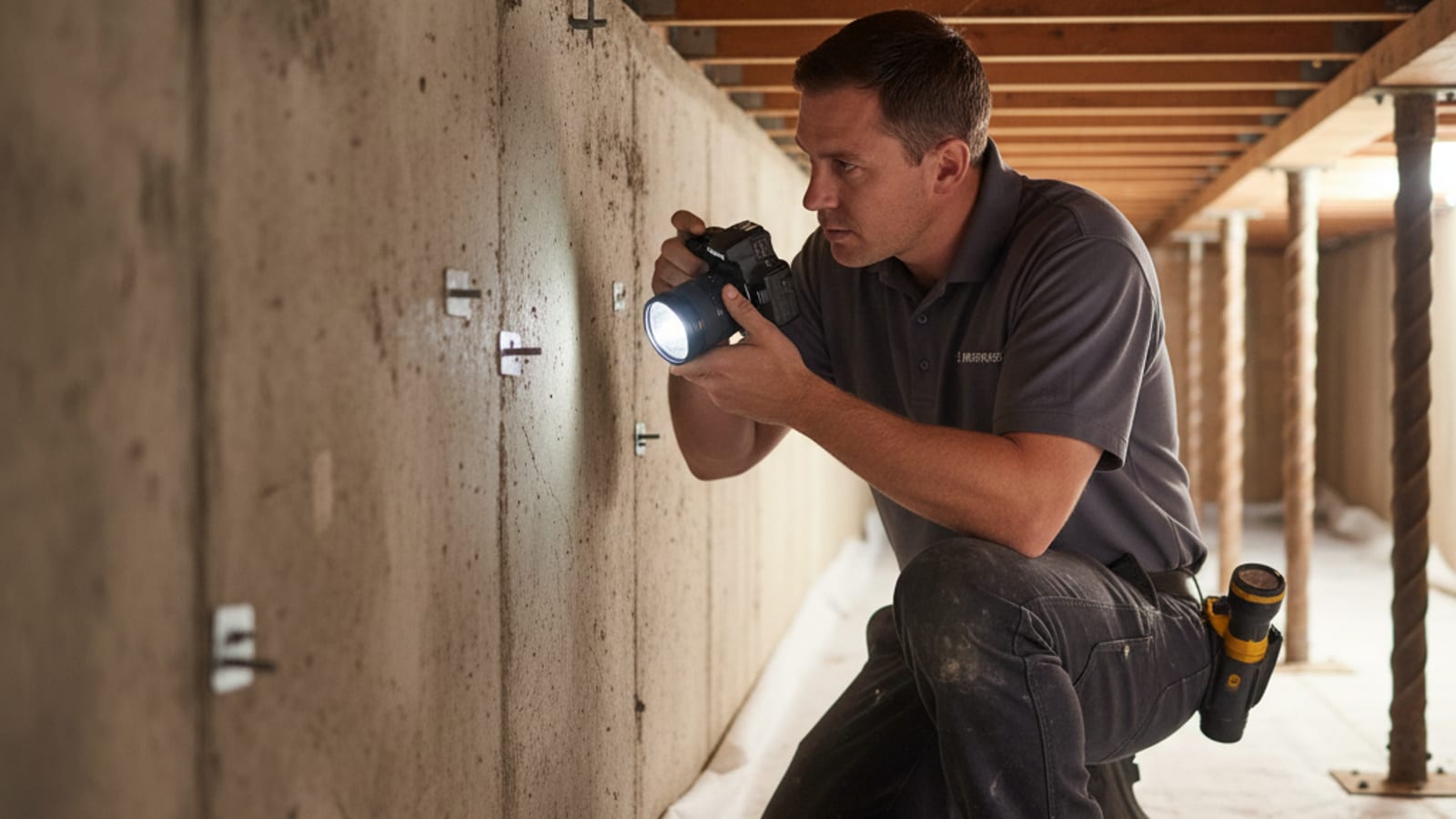
Why is inspections different in Coastal San Diego?
Coastal foundation inspections often include hidden moisture intrusion, efflorescence at stem walls, dampness in crawl spaces, and termite/dry rot risk in raised post-and-pier construction. We document all of it.
What's included in inspections in La Jolla?
- Full level survey using a Zip Level or rotary laser, recorded at 6-foot grid
- Visual inspection of all accessible foundation surfaces (interior + exterior)
- Crawl space inspection where present (the crews we match are insured for crawl entry)
- Crack mapping with width, length, and direction photo-documented
- Drainage and grading review around the perimeter
- Soil and vegetation review (expansive clay indicators, root proximity)
- Written report with annotated photos, level diagram, and findings
- Repair recommendation if any are warranted, with no obligation
When does a La Jolla home need inspections?
- Buying a home with cracks or sloping floors visible at showing
- Selling a home and want to disclose proactively (or rule out concern)
- Insurance carrier requesting a foundation inspection report
- Considering an ADU and need to verify existing footing capacity
- Recent visible change in cracks, doors, or floors
- Lender or appraiser called for a structural review
What do La Jolla homeowners ask about inspections?
How fast can you inspect a foundation in La Jolla?
Most La Jolla inspections book within 3 to 5 business days. Active settlement, post-storm damage, or a pre-listing deadline can usually be slotted sooner. The free onsite inspection runs 60 to 90 minutes.
What does inspections cost in La Jolla?
Free for repair-related inspections · written report inspections from $450. Pricing is the same across San Diego County, with no mileage upcharge for La Jolla. We give a flat-rate written quote after the free onsite inspection.
How does La Jolla's climate affect this service?
La Jolla cliff-edge and bluff-top homes face the worst foundation environment in San Diego: salt-corroded rebar in older stem walls, sandstone bluff erosion, and slope creep on the steeper Mount Soledad lots. Stainless and galvanized hardware are mandatory; carbon steel rusts through in years on this coast.. Coastal foundation inspections often include hidden moisture intrusion, efflorescence at stem walls, dampness in crawl spaces, and termite/dry rot risk in raised post-and-pier construction.
What is the difference between this and a home inspection?
A general home inspection looks at 100 systems for 30 seconds each. A foundation inspection focuses entirely on the foundation, floor system, and structural envelope, with measurement and documentation that a general inspection does not produce. Many home inspectors recommend a follow-up foundation inspection when they see cracks or slope.
Will you tell me what is wrong even if you cannot fix it?
Yes. Some inspections find issues outside our scope: termite damage, dry rot, plumbing under-slab leaks, or seismic-retrofit needs. We will name them in the report and refer you to the right specialist.
Need inspections in La Jolla?
Call for a free onsite inspection and a flat-rate, engineer-stamped repair plan.