Spot foundation problems early
The 10 visible signs that something is moving under your house. Most homeowners miss these for years.

What you'll learn
- Why doors that stick are usually a foundation symptom, not a humidity problem
- How to tell a cosmetic crack from a structural one (the credit-card test)
- The marble test for floor slope (and what slope range matters)
- What stair-step cracks in stucco mean
- When to monitor and when to call
Step by step
- Walk the exterior perimeter and look at every window/door corner for diagonal cracks.
- Open and close every door, note which ones stick and which side of the house they're on.
- Roll a marble across each main living area. Note direction and severity.
- Look at the slab-stem-wall joint outside for gaps or efflorescence.
- Check baseboards for gaps in the middle of the wall (not the corners).
Safety note
Found 3+ signs in the same part of the house? That's a pattern, not a coincidence. Schedule a free inspection, we'll do a level survey and tell you whether it's active or stable.
Rather have a pro handle it?
Same-day electrical service across San Diego County. A real electrician picks up.
More guides
Keep learning.
Troubleshooting · 4 min read
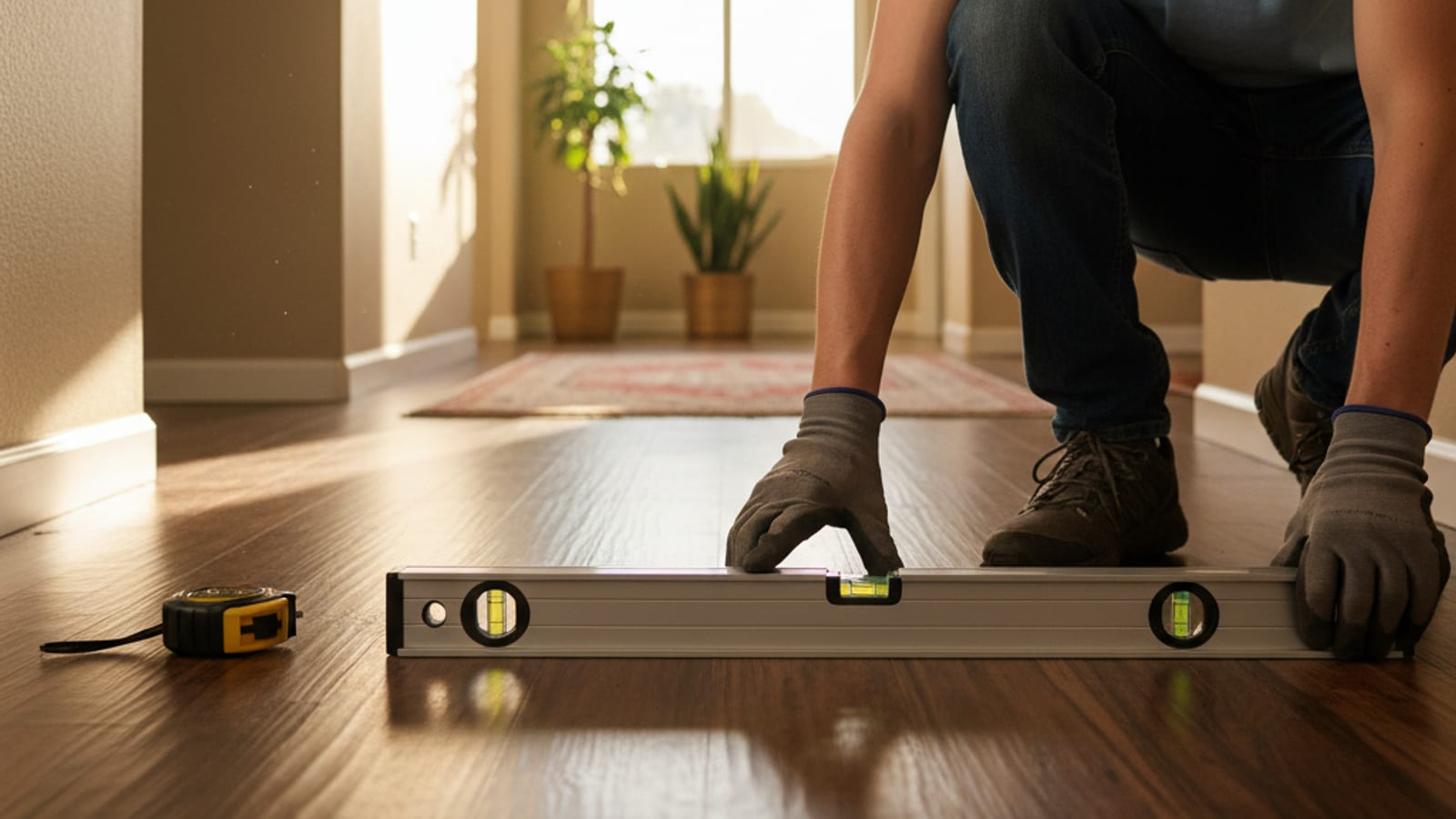
Measure your floor slope yourself
You don't need a Zip Level to know if your floor is sloping. A 4-foot level and a tape measure will get you 80% of the way there.
Troubleshooting · 4 min read
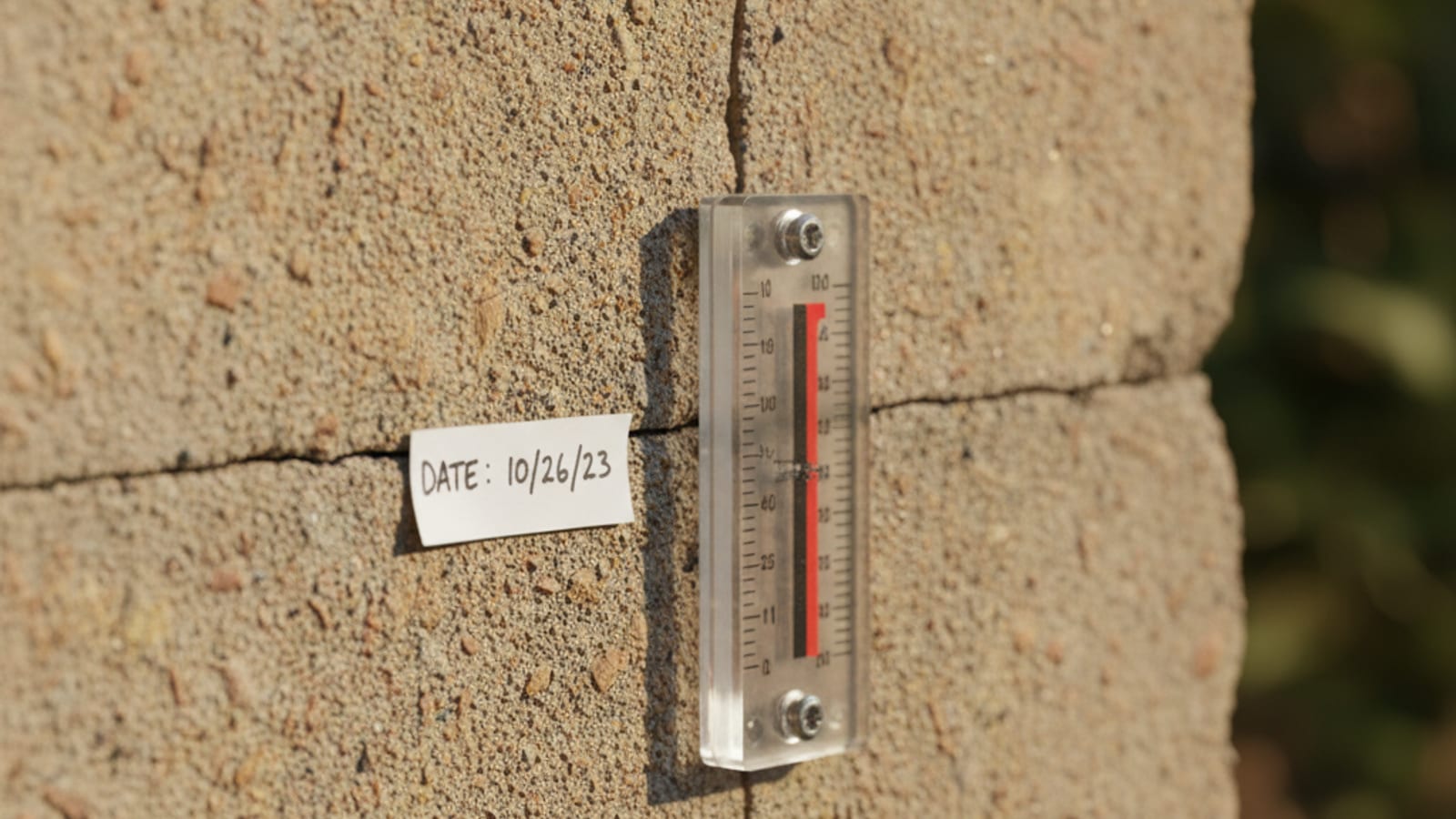
Monitor a foundation crack
Cracks tell you what they're doing if you watch them long enough. Here's how to track movement at home.

Maintenance · 6 min read
Improve drainage around your foundation
Three drainage interventions you can do this weekend that will protect your foundation for years.